Why Does Ozdikenosis Kill You?
Ozdikenosis, though a term that might not be immediately familiar to most people, refers to a rare but severe medical condition that affects various bodily systems. If left untreated, it can lead to life-threatening complications. In this article, we will delve into the causes, symptoms, risks, and why ozdikenosis can ultimately lead to death. This condition, though relatively unknown, deserves attention due to its impact on health and survival.
What is Ozdikenosis?
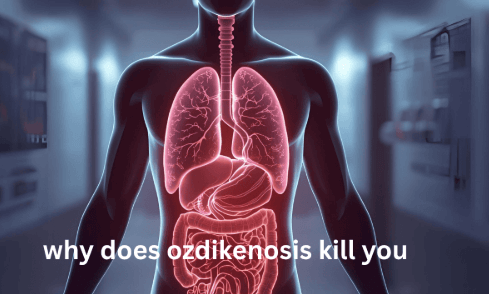
Ozdikenosis is a complex, rare disease characterized by the gradual breakdown and malfunction of vital organs, including the heart, kidneys, and liver. The disease is often caused by a combination of genetic factors, environmental stressors, and immune system dysfunctions. Its progression varies from individual to individual, but in severe cases, it can lead to irreversible organ failure.
Symptoms of Ozdikenosis
Symptoms of ozdikenosis can vary greatly depending on which organ systems are affected, but common signs include:
- Fatigue and Weakness: This can often be the first noticeable symptom, as the body struggles to function properly.
- Swelling: In areas like the legs, abdomen, and face, due to fluid retention caused by organ dysfunction.
- Jaundice: A yellowing of the skin and eyes, primarily associated with liver failure.
- Shortness of Breath: Often a result of the heart’s inability to pump blood effectively.
- Chest Pain and Palpitations: Indicating cardiovascular complications related to the disease.
- Confusion or Memory Issues: These can arise when the brain becomes affected by toxins due to liver or kidney failure.
Because many of these symptoms overlap with other conditions, ozdikenosis can be difficult to diagnose without comprehensive medical testing.
The Mechanism Behind Ozdikenosis
The underlying causes of ozdikenosis are still not fully understood. However, research has pointed to a variety of factors contributing to the disease’s progression. The most common mechanisms are:
- Immune System Dysfunction: In many cases, the immune system mistakenly attacks the body’s own cells, causing widespread inflammation and tissue damage. This can lead to the gradual breakdown of organs.
- Genetic Mutations: Genetic mutations can make individuals more susceptible to developing ozdikenosis. Some families have a history of this condition, indicating a possible hereditary component.
- Toxin Build-Up: When the liver or kidneys fail to detoxify the body properly, harmful substances can accumulate in the bloodstream, leading to widespread damage in various organs, including the brain.
- Chronic Inflammation: Persistent inflammation within the body can lead to scarring of tissues, impairing the function of key organs such as the heart, liver, and kidneys.
- Blood Circulation Issues: As the condition progresses, it often leads to poor blood circulation, depriving vital organs of oxygen and nutrients, which can further accelerate organ failure.
Organ Systems Affected by Ozdikenosis
Cardiovascular System
Ozdikenosis can severely impact the heart, leading to heart failure or arrhythmias. Poor circulation, increased pressure on the heart, and damaged blood vessels are common consequences. The heart’s inability to pump blood efficiently means that less oxygen and fewer nutrients are delivered to tissues, accelerating organ deterioration.
Renal System
The kidneys play a crucial role in filtering waste from the body, but in ozdikenosis, they often fail. When the kidneys are unable to perform their function, toxins build up, causing a condition known as uremia. This can result in swelling, fatigue, and severe complications like electrolyte imbalances and heart failure.
Hepatic System
Liver failure is another hallmark of ozdikenosis. The liver’s inability to detoxify the body leads to a range of symptoms, including jaundice, bleeding tendencies, and a compromised immune system. As the liver deteriorates, the body becomes increasingly vulnerable to infections and other life-threatening conditions.
Neurological Impact
The buildup of toxins and impaired blood flow can have devastating effects on the brain. Cognitive decline, memory loss, confusion, and even coma can occur as the disease progresses. This is often a late-stage symptom that signals the severity of the condition.
Why Does Ozdikenosis Kill You?
Ozdikenosis can be fatal due to several critical factors that compromise essential bodily functions. The main reason for death is the cumulative failure of multiple organ systems, each of which plays a vital role in sustaining life.
1. Multi-Organ Failure
When ozdikenosis reaches its most severe form, multiple organs begin to fail simultaneously. This cascade of organ dysfunction leads to a breakdown of the body’s homeostasis. For example:
- Kidney failure leads to the accumulation of waste products in the blood, which can cause further damage to the heart and brain.
- Liver failure impairs the body’s ability to metabolize nutrients, leading to malnutrition and electrolyte imbalances.
- Heart failure reduces the ability of the body to circulate blood, depriving organs and tissues of oxygen.
The failure of multiple organs is often too overwhelming for the body to overcome, leading to death.
2. Toxic Build-Up and Sepsis
As ozdikenosis progresses, the organs responsible for detoxification, such as the liver and kidneys, become less effective. This leads to the accumulation of harmful toxins in the bloodstream, which can poison the body. The toxins can also trigger sepsis, a widespread infection in the bloodstream, which can cause systemic organ failure and be fatal if not promptly treated.
3. Impaired Oxygen Delivery
One of the primary functions of the circulatory system is to deliver oxygen and nutrients to tissues. When ozdikenosis disrupts this process, tissues and organs become deprived of the oxygen they need to survive. This leads to hypoxia (low oxygen levels), which can result in organ death, particularly in the brain and heart.
4. Infection Vulnerability
The compromised immune system in ozdikenosis patients significantly increases the risk of infections. Without a functioning liver and kidneys, the body is less equipped to fight off pathogens, leading to life-threatening infections that can quickly spread.
Diagnosis and Treatment of Ozdikenosis
Diagnosing ozdikenosis typically involves a series of tests, including blood work to measure kidney and liver function, imaging studies, and biopsies. Once diagnosed, treatment focuses on managing symptoms and slowing the progression of the disease.
Common Treatments Include:
- Medication: To control inflammation, manage symptoms, and prevent complications.
- Dialysis: In cases of kidney failure, dialysis can help filter waste from the blood.
- Liver Transplantation: In severe cases of liver failure, a liver transplant may be necessary.
- Heart Surgery: In cases of heart failure, procedures such as pacemaker implantation or heart transplants may be considered.
Unfortunately, there is no cure for ozdikenosis, and treatments are often palliative, aimed at improving quality of life and extending survival.
Conclusion
Ozdikenosis is a rare but serious condition that can lead to death if left untreated. It primarily causes multi-organ failure, toxins to accumulate in the bloodstream, and widespread inflammation, all of which compromise essential bodily functions. Though the disease can be managed with treatments such as medication and organ transplants, early diagnosis and intervention are crucial to improving the chances of survival. As with many rare diseases, more research is needed to fully understand ozdikenosis and develop more effective treatments.
Read Also: App Development: Building Digital Solutions for a Mobile-First World
Frequently Asked Questions
1. Can ozdikenosis be prevented?
While there is no known way to prevent ozdikenosis, early detection and treatment can help manage symptoms and slow the disease’s progression.
2. What is the life expectancy of someone with ozdikenosis?
Life expectancy varies based on the severity of the condition and how well it is managed. In advanced cases, the prognosis is poor without organ transplants.
3. Can ozdikenosis affect children?
Yes, ozdikenosis can affect individuals of any age, though it is rare in children.
4. How is ozdikenosis diagnosed?
Diagnosis typically involves blood tests, imaging studies, and biopsies to assess the function of vital organs.
5. Are there any new treatments for ozdikenosis?
While treatment is largely supportive, ongoing research may lead to breakthroughs in managing or curing ozdikenosis in the future.