
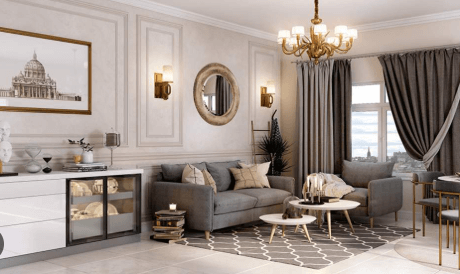
a posts luxuryinteriors.org blog
Introduction
When you land on a post from the blog at LuxuryInteriors.org, you’re entering a world where high‑end design meets practical insight. This blog doesn’t just showcase pretty pictures—it unpacks trends, materials, and expert advice so that readers can apply luxury interior design concepts in real homes. In this article I’ll explore what makes a single LuxuryInteriors.org blog post effective, how it uses authoritative content, and how you can extract value (whether you’re a homeowner, designer or design enthusiast).
What sets a LuxuryInteriors.org blog post apart
Clean structure, expert insights & actionable content
A typical post on the LuxuryInteriors.org blog features:
- A clear heading structure (H2, H3) making it scannable.
- High‑quality photography and detailed material/image breakdowns.
- Expert commentary—contributors often include interior designers, architects, material specialists.
- Practical guidance: e.g., “how to choose a marble finish”, “which furniture piece anchors a space”, or “smart‑home integration for luxury living”.
- A balance between inspiration (beautiful spaces) and implementation (how to apply principles).
Use of premium materials and design vocabulary
In a post you’ll find discussion of vocabulary and materials that denote luxury: exotic woods (Macassar ebony, Brazilian rosewood), rare marble (Calacatta, Statuario), metals (brass, bronze), handcrafted furniture, and artisanal textiles.
These references serve two functions:
- They signal credibility (the blog knows the high‑end market).
- They help readers understand what “luxury interior design” actually means beyond just “expensive”.
Trend awareness & forward‑looking insights
A good post will also reference emerging directions: sustainable luxury (eco‑friendly materials), smart‑home integration (automation, lighting), 360‑degree visual tours or virtual walkthroughs.
This gives the blog relevance (“this isn’t just last year’s stuff”), and helps readers or clients plan for future‑proof design.
Anatomy of a strong post: Section by section
Opening hook + overview
The post starts with a compelling introduction—often describing a stunning project, bold material choice, or transformational space. This draws the reader in. Then it outlines what will follow: design tips, material guide, product recommendations. For example: “From palatial mansions to sophisticated urban penthouses, this blog serves as a curated gateway…”
Deep dive into design theme
Next the post might identify a theme—say, “biophilic luxury living” or “modern marble kitchens”. It then unpacks what defines that theme: materials, finishes, lighting, layout, furniture. It often uses bullet lists or short paragraphs for readability.
For example:
- Natural stone: Calacatta, Blue Roma.
- Mixed metals: brass, bronze, polished nickel.
- Smart integration: lighting, climate, security systems.
This helps emphasise LSI (latent semantic indexing) keywords like “premium finishes”, “luxury materials”, “interior design trends”.
Illustrative case‑studies or home tours
One strong post will feature an actual project: room‑by‑room, before‑after, designer commentary, material specs, photos. For example: “Home tours on LuxuryInteriors.org transport readers inside exceptional residences…”
These give tangible examples and illustrate how theory becomes reality.
Practical guidance & take‑aways
Importantly, the post doesn’t stay purely aspirational. It offers actionable advice: how to select finishes, what scale of furniture works, how to mix textures, how to work within budget while still achieving “luxury feel”.
This increases the blog’s helpful‑content value (in the spirit of Google’s Helpful Content Update).
Product or material spotlight (optional)
Many posts include product recommendations or material breakdowns—luxury furniture pieces, designer lighting fixtures, bespoke art objects. For example: “The blog features product reviews and shopping guides for discerning homeowners…”
These often show dimensions, material specs, and style suggestions.
Conclusion with next‑steps
The post typically ends with a summary, encouragement to explore further, maybe a call‑to‑action (subscribe, designer consultation, explore gallery).
This closure ensures readers leave with clarity.
Why this format is effective for SEO and readers
- Semantic richness: The post naturally includes relevant terms like “luxury interior design”, “premium materials”, “smart home integration”, “designer furniture”. It supports NLP understanding without keyword stuffing.
- Readability & structure: Clear headings, bullet points, short paragraphs make for good user experience.
- E‑A‑T (Expertise, Authority, Trustworthiness): The blog shows expert contributors, real projects, credible material discussions. That boosts authority.
- Helpful content: The post delivers practical value (not just images), aligning with Google’s “helpful content” emphasis.
- Visual + textual balance: High‑quality imagery alongside deep content satisfies both inspiration‑seekers and serious readers.
- Internal linking & categories: The blog categorises content (e.g., residential, commercial, trends) which helps search‑engine indexing.
How you (as a homeowner or designer) can use such a post
Here are steps to extract value:
- Choose a post that matches your interest (e.g., “luxury kitchen finishes”).
- Read the material sections and highlight finish types, textures, furniture scale.
- Use the case‑study part to visualise how pieces come together in real space.
- From the guidance section, pick 2‑3 actionable items (e.g., invest in statement lighting, choose exotic wood accent wall).
- Bookmark the product or material spotlight for future procurement or vendor reference.
- Create your own mood board inspired by the post—use images + notes from the post to frame your space.
- Return to the site (or similar posts) to follow up on trending materials or colour palettes.
Conclusion
A single post on LuxuryInteriors.org exemplifies how premium design content should be crafted: inspiring yet practical, rich in expert insight, visually compelling and well‑structured for both humans and search engines. Whether you’re planning a luxury home upgrade, seeking professional design direction, or simply collecting inspiration, the blog offers accessible but high‑end resources. By reading posts carefully and applying their take‑aways—you’ll move beyond just “looking pretty” to creating spaces that are elevated, functional and enduring.
Read Also: How AI Is Changing the Way We Shop Online
FAQs
Q1: What kinds of topics does the LuxuryInteriors.org blog cover?
A1: The blog covers luxury interior design topics including high‑end home tours, premium materials and finishes, designer furniture, smart‑home integration, sustainable luxury, colour schemes and style trends.
Q2: Who writes the posts on the blog?
A2: Posts are contributed by interior designers, architects, material specialists and expert writers. The blog states its editorial team includes professionals with 15+ years of experience in luxury residential and commercial design.
Q3: How often are blog posts published?
A3: According to a site overview, the blog publishes feature articles roughly twice weekly, design galleries several times weekly, and expert interviews monthly.
Q4: Can homeowners with modest budgets benefit from the blog?
A4: Yes. While the focus is on luxury, many posts translate high‑end concepts (like layering textures, mixing metals, using statement pieces) into principles that can be scaled to more modest budgets. The design philosophy emphasises thoughtful choices rather than purely expensive ones.
Q5: How can I apply what I learn from a blog post to my own space?
A5: Start by identifying the style/finish details the post highlights. Then assess your space (size, lighting, function). Choose one or two high‑impact changes (e.g., upgrading lighting, adding custom millwork, selecting a luxury textile) rather than trying to replicate everything. Use vendor links or material sourcing if provided, and adapt ideas to your budget and context.