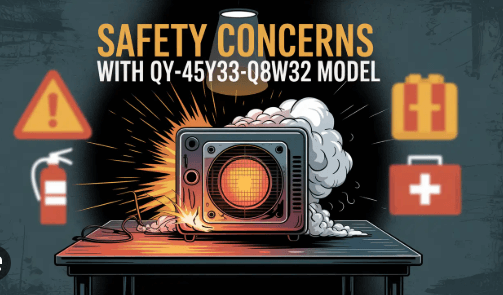
Safety Concerns with QY-45Y3-Q8W32 Model
The QY-45Y3-Q8W32 model has recently garnered attention due to multiple safety concerns raised by users and industry experts alike. While it boasts impressive specifications on paper, real-world performance and reliability have been called into question. In this article, we will delve into the specific safety issues associated with this model, providing a comprehensive overview to help potential users make informed decisions.
Overview of the QY-45Y3-Q8W32 Model
The QY-45Y3-Q8W32 is marketed as a high-performance device suitable for various applications, including industrial automation and digital output control systems. It is designed to offer multiple output channels, high-speed switching capabilities, and robust electrical isolation features. However, despite these promising features, several critical safety concerns have emerged.
Reported Safety Issues
1. Overheating and Fire Hazards
One of the most alarming issues reported by users is the device’s tendency to overheat during normal operation. Instances of the unit becoming excessively hot, emitting smoke, or even sparking have been documented. These overheating incidents pose significant fire risks, especially in environments where the device operates continuously or under heavy loads Tech Imaging+1.
2. Electrical Failures and Short Circuits
Users have also reported occurrences of electrical shorts within the device, leading to potential shocks or damage to connected equipment. Such failures not only compromise the safety of the immediate environment but can also result in costly damage to other components in the system .
3. Lack of Safety Certifications
The QY-45Y3-Q8W32 model frequently lacks essential safety certifications such as CE, FCC, or RoHS compliance. The absence of these certifications indicates that the device may not meet internationally recognized safety and environmental standards, raising concerns about its suitability for use in regulated industries.
4. Poor Build Quality and Durability
Reports suggest that the device suffers from subpar construction quality. Users have noted that the casing and wiring often feel flimsy, with connectors that are prone to breaking or malfunctioning. This poor build quality can lead to premature failures and increased maintenance costs smarthomeperfected.com.
5. Inadequate Customer Support
Another significant concern is the lack of effective customer support. Users have reported difficulties in obtaining assistance or replacements when issues arise. This lack of support exacerbates the challenges faced by users and can lead to prolonged downtimes in critical systems .
Implications of These Safety Concerns
The safety issues associated with the QY-45Y3-Q8W32 model have several far-reaching implications:
- Operational Downtime: Overheating and electrical failures can lead to unexpected shutdowns, disrupting operations and leading to financial losses.
- Increased Maintenance Costs: Frequent failures and the need for repairs can significantly increase maintenance expenditures.
- Regulatory Non-Compliance: The lack of safety certifications may result in non-compliance with industry regulations, potentially leading to legal repercussions.
- Reputation Damage: Persistent safety issues can tarnish the reputation of businesses relying on the device, affecting customer trust and business relationships.
Recommendations for Potential Users
Given the reported safety concerns, potential users are advised to exercise caution when considering the QY-45Y3-Q8W32 model. It is recommended to:
- Seek Alternative Models: Consider devices from reputable manufacturers that have a proven track record of safety and reliability.
- Verify Certifications: Ensure that any alternative models meet necessary safety and environmental standards.
- Consult Peer Reviews: Engage with industry peers and consult user reviews to gauge the real-world performance and safety of alternative models.
- Conduct Thorough Testing: Before full deployment, conduct comprehensive testing to ensure that the chosen model meets all operational and safety requirements.
Conclusion
While the QY-45Y3-Q8W32 model may appear to be a cost-effective solution for certain applications, the reported safety concerns cannot be overlooked. Overheating, electrical failures, lack of safety certifications, poor build quality, and inadequate customer support pose significant risks to both operations and personnel. Potential users are strongly advised to consider these factors and explore safer, more reliable alternatives to ensure the safety and efficiency of their systems.
Read Also: What Is Digital Product Design and Why It Matters
Frequently Asked Questions (FAQs)
1. What safety certifications should I look for in industrial automation devices?
Look for certifications such as CE (Conformité Européene), FCC (Federal Communications Commission), and RoHS (Restriction of Hazardous Substances) compliance. These indicate that the device meets international safety and environmental standards.
2. How can I prevent overheating in automation equipment?
Ensure that the device operates within its specified temperature range, provide adequate ventilation, and perform regular maintenance checks to prevent dust accumulation and component wear.
3. Are there any legal implications of using uncertified equipment?
Yes, using uncertified equipment can lead to non-compliance with industry regulations, potentially resulting in legal penalties, fines, or shutdowns.
4. What should I do if I experience electrical failures with automation equipment?
Immediately disconnect the power supply, assess the situation for any hazards, and consult the manufacturer’s support team or a qualified technician for assistance.
5. How can I ensure the reliability of automation equipment before full deployment?
Conduct thorough testing in a controlled environment, review user feedback and expert opinions, and ensure that the equipment meets all necessary safety and operational standards.