What Is Digital Product Design and Why It Matters
In today’s digital-first world, digital product design plays a critical role in how we interact with technology. Whether it’s a mobile app, a web platform, or a piece of SaaS software, the success of any digital product heavily depends on how well it’s designed—not just in terms of aesthetics, but also in functionality, user experience, and usability.
What Is Digital Product Design?
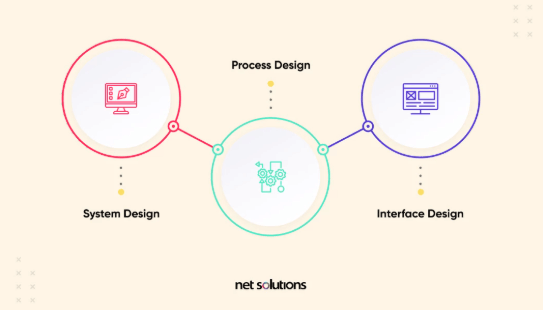
Digital product design is the process of creating and refining digital solutions that solve user problems or fulfill specific needs. It combines multiple disciplines including UX (User Experience) design, UI (User Interface) design, interaction design, research, and product strategy.
Unlike traditional design, digital product design is not a one-time task. It’s an iterative process where designers test, learn, and adapt continuously. The end goal is to create a product that is intuitive, user-friendly, and aligned with both user needs and business goals.
Key Stages of Digital Product Design
- Research & Discovery
The process begins with understanding the user. Who are they? What are their pain points? What are the market trends? This stage involves user interviews, competitive analysis, and data collection. - Ideation & Strategy
Once insights are gathered, designers and product teams brainstorm possible solutions. Wireframes and user flows are created to map out the user journey. - Design & Prototyping
This is where visual elements come into play. UI designers develop mockups and interactive prototypes that simulate how the product will look and behave. - Testing & Validation
Real users are involved to test the prototype. Their feedback helps refine the design and ensures usability and satisfaction. - Development Handoff
Once the design is finalized, assets and guidelines are handed off to developers for implementation. - Iteration & Improvement
Even after launch, digital product design doesn’t stop. Continuous feedback, A/B testing, and user behavior tracking help enhance the product over time.
Why Digital Product Design Matters
A well-designed digital product can significantly improve user satisfaction, boost conversion rates, and reduce churn. It also plays a critical role in:
- Differentiation: In a crowded market, design can set your product apart.
- Efficiency: A good design reduces friction and allows users to achieve their goals faster.
- Business Growth: Better UX often translates to better ROI through increased engagement and retention.
Trends in Digital Product Design
The field is evolving rapidly. Key trends include:
- AI-assisted design tools like Figma AI
- Dark mode and minimalist UI
- Voice user interfaces (VUI)
- Personalization through data-driven UX
- Inclusive and accessible design
Conclusion
Digital product design is more than just making things look good—it’s about crafting digital experiences that are useful, usable, and desirable. In a competitive tech landscape, investing in great product design isn’t optional it’s essential.