What Is Snigdhasnack? Origin, Taste & Popularity
Introduction
If you’ve stumbled across the term Snigdhasnack and wondered what it means — you’re not alone. This curious name is beginning to pop up in food‑blogs, snack‑trend roundups and social‑media posts. In this article I’ll walk you through what Snigdhasnack “is”, where the idea comes from, how it tastes (and how you might recognise it), and why it’s quickly gaining attention in contemporary snacking culture.
The Origin Story of Snigdhasnack
Linguistic Roots & Cultural Background
The name “Snigdhasnack” is a compound of two components: “snigdha” + “snack”.
- “Snigdha” (स्निग्ध in Sanskrit) means smooth, lustrous, gentle, or nourishing in various South Asian languages.
- “Snack” is of course the English word for a light meal or bite.
- Together “Snigdhasnack” thus suggests a snack that is smooth, satisfying, and perhaps rooted in a cultural sense of comfort.
How the Concept Emerged
Although there is no single known historic recipe that definitively launched “Snigdhasnack” as a formal brand, the term seems to have emerged in food‑trend commentary around modern snack culture. Several articles note:
- The “first Snigdhasnacks appeared in vibrant urban street‑markets around 2018” according to a trend article.
- The idea blends traditional South Asian snacking culture (nuts, lentils, sweet/spicy mixes) with modern, portable convenience.
- It may be less a fixed recipe and more a snack concept — that is, “a style of snack made with wholesome ingredients, decent texture, and a nod to heritage”.
What Makes a Snack a “Snigdhasnack”?
Key Characteristics
Here are some of the attributes that distinguish a snigdhasnack‑style snack from purely traditional or mass‑market ones:
- Texture focus: The term “snigdha” emphasises smooth, rich or pleasing textures rather than harsh crunch or overly heavy oil.
- Balanced flavour: It often leans toward moderately sweet, mildly spiced, or gently savoury rather than extremes of salty/spicy junk‑snack territory.
- Wholesome / clean ingredients: Nuts, seeds, grains, roasted legumes, natural sweeteners (e.g., jaggery, honey) show up in many descriptions.
- Portability and convenience: It’s often described as a snack for modern life: easy to carry, snackable on the go, fitting lunch‑boxes, travel, or between meals.
- Cultural nod: While not locked into one cuisine, snigdhasnack often references or is inspired by South Asian textures or flavours (via the “snigdha” root) while still being accessible globally.
Typical Variations & Flavour Profiles
While there’s no single universal recipe, you can expect some of the following kinds of snigdhasnack‑type offerings:
- Sweet versions: e.g., nut & seed bars with jaggery or honey, dried fruit clusters, gentle spice (like cinnamon, cardamom) to enhance richness.
- Savoury versions: e.g., roasted chickpeas or lentils with mild spices, seed & grain clusters, or snack mixes that aren’t just deep‑fried potato chips.
- Texture contrasts: While smoothness is emphasised, there may still be light crunch (like roasted seeds sprinkled on top) for interest.
Taste & Sensory Experience
What to Expect When You Bite In
Here’s how a snigdhasnack might feel and taste:
- Mouthfeel: A rich, gently creamy or nutty base—think almond‑butter texture, lentil purée bowls, or lightly roasted mix—not overly oily or greasy.
- Flavour layer:
- For sweet versions: natural sweetness (dates, jaggery, honey), subtle cardamom or cinnamon, maybe roasted coconut or nut undertones.
- For savoury: mild spice (cumin, coriander, gentle chilli), roast‑nut flavour, toasted seeds; balanced salt level rather than heavy salt.
- After‑taste: Usually clean and satisfying, rather than full of artificial flavour or heavy after‑oil coating. Some remnants of spices or nuts linger.
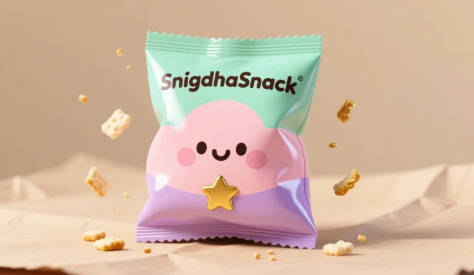
- Visual & tactile cues: May come in small bars, round bite‑sized portions, or snack‑packs. Packaging and presentation often emphasise “good for you” or “smart snack”.
Why the Taste Profile Appeals
- It fits both nostalgia (comfort foods, rich textures) and modern wellness trends (cleaner ingredients).
- It avoids extremes (too salty, too sweet, too greasy) which many traditional junk snacks suffer from—so it appeals to adult snackers who want something smarter.
- The flavour‑texture balance provides a sense of satiation and pleasure without guilt, appealing to health‑conscious consumers.
Popularity & Trend Factors
Why Snigdhasnack Is Gaining Momentum
Several drivers are helping snigdhasnack‑style snacks rise in popularity:
- Health‑conscious Snacking: As more consumers look for snacks that are “better for you”, the snigdhasnack concept aligns well.
- Storytelling & Cultural Appeal: The name “snigdha” gives it a story root; emphasising tradition plus modern twist makes it appealing to both diaspora and global snack fans.
- Social Media & Visual Appeal: Packaging, snack‑bars, nut clusters all lend themselves to Instagram/short‑form content. The concept of “snigdhasnack” has been used to talk about trends and viral food topics.
- Innovation in Snack Start‑ups: Small food brands and home‑kitchens are experimenting with healthier, culturally‑inspired snacks; the snigdhasnack idea gives a flexible template.
- Versatility & Global Reach: While rooted in South Asian linguistic culture, the concept doesn’t limit itself to one region’s ingredients. That makes it adaptable globally.
Market Potential & Considerations
- Articles suggest snigdhasnack may evolve into packaged snack lines, health‑bars, seed/nut blends, etc.
- On the flip side, there’s risk of the term being over‑used as a marketing buzzword without genuine substance (i.e., “healthy snack” label with poor nutrition).
- For consumers: as with any snack, the nutritional value depends on ingredients, portion size, and processing.
Where & How You’ll Find Snigdhasnack
Forms and Formats
- Small‑pack bars or clusters with nuts/seeds and natural sweeteners.
- Roasted legume or seed snack mixes tagged as “smooth‑texture” or “heritage inspired”.
- Bistro or café snack bowls labelled as “snigdha snack” or similar.
- Home‑made versions — DIY snigdhasnack ideas using almonds, dates, jaggery, spice mixtures.
Choosing a Quality Snigdhasnack
When you see a snack labelled “snigdhasnack” or one claiming to follow the style, check:
- Ingredient list: fewer additives, recognised nuts/seeds/grains, minimal refined sugar.
- Texture claim vs reality: is it truly smooth or creamy vs just “flavoured crunchy”?
- Portion size: even healthy snacks can be overeaten.
- Brand authenticity: Are they transparent about sourcing, spices, heritage claim vs hype?
Conclusion
To sum up, snigdhasnack is not simply a random snack; it’s a concept combining the cultural idea of “snigdha” (smooth, gentle, nourishing) with the modern, fast‑paced world of snacking. Its appeal lies in texture, balanced flavour, portability and a clean‑ingredient approach. While the category is still evolving, the trend shows how consumers are shifting toward smarter, more meaningful snack options. If you’re looking for a snack that feels both comforting and contemporary, snigdhasnack might just hit the sweet (and savoury) spot.
Read Also: LWMFHotels Offers by LookWhatMomFound
FAQs
- Is Snigdhasnack a brand?
No, not at present. It’s more of a style or category of snack rather than a single registered brand. - Where did the term come from?
The “snigdha” part comes from Sanskrit/South Asian languages meaning smooth or rich; combined with “snack”, it creates a new term for a type of snack. - What kind of ingredients are typical?
Nuts, seeds, roasted legumes, whole grains, natural sweeteners (honey, jaggery), mild spices rather than heavy processed ingredients. - Is it healthy?
The intention is healthier snacking, but the health‑value depends on actual ingredients, portion size and processing—not all “snigdhasnacks” will automatically be healthy. - How can I make one at home?
Yes—you can: for example, mix roasted almonds, pistachios, pumpkin seeds, lightly honey or jaggery‑coated; add a pinch of cardamom or cinnamon; press into a bar and chill. That would capture the “snigdha” texture + snack concept.